
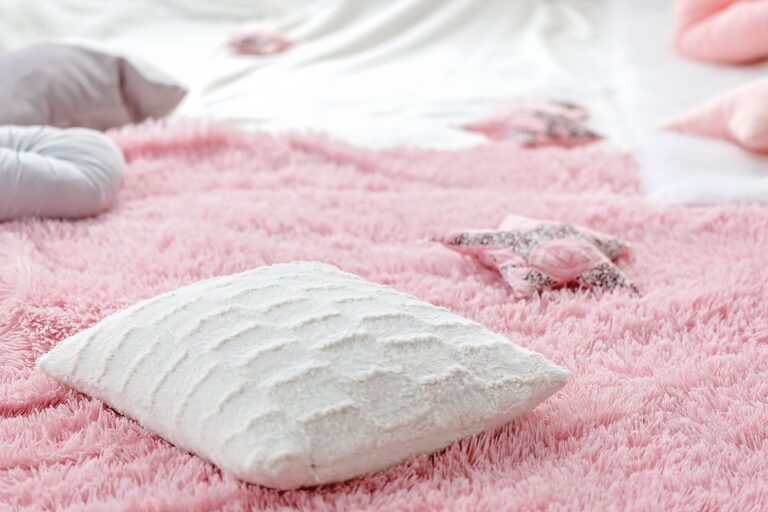

Getting a good night’s sleep is essential for feeling refreshed and energized throughout the day. One often overlooked factor that plays a crucial role in sleep quality is your pillow. Choosing the right pillow can help maintain proper spinal alignment, reduce pain, and enhance comfort, leading to better rest. This guide will walk you through everything you need to know to select the perfect pillow tailored to your sleeping needs.
Why the Right Pillow Matters
A pillow isn’t just a soft cushion for your head—it supports your neck and spine while you sleep. The wrong type of pillow can cause neck pain, headaches, and disrupt your sleep cycle. On the other hand, the right pillow provides the right amount of support, keeping your neck aligned with the rest of your body.
Factors to Consider When Choosing a Pillow
When shopping for a pillow, several factors influence how well it will suit your sleep style and preferences:
1. Sleep Position
Your natural sleep position largely determines what kind of pillow is best for you:
– Back Sleepers: Need medium support to maintain the natural curve of the neck. A pillow that is not too high or too flat works best.
– Side Sleepers: Require firmer, thicker pillows to fill the gap between the neck and the mattress, keeping the spine straight.
– Stomach Sleepers: Usually benefit from soft, thin pillows or no pillow at all, as a thicker pillow can strain the neck.
2. Pillow Fill Material
The fill material affects comfort, support, durability, and even maintenance:
– Memory Foam: Molds to your head and neck shape, offering customized support. It’s great for pressure relief but may retain heat.
– Latex: A natural, bouncy option that provides good support and is hypoallergenic.
– Feather or Down: Soft, lightweight, and moldable pillows, but may need frequent fluffing and might not be suitable for allergy sufferers.
– Polyester or Synthetic Fill: Affordable and easy to care for but often less supportive and less durable.
– Buckwheat: Filled with hulls that adjust to your head and provide firm support with good airflow.
3. Pillow Loft (Height)
Loft refers to the pillow’s thickness when resting:
– Low loft (2-3 inches): Better for stomach sleepers or those who prefer softer support.
– Medium loft (3-5 inches): Ideal for back sleepers.
– High loft (5+ inches): Best for side sleepers to fill the space between head and mattress.
4. Firmness
Firmness contributes to how much support you get:
– Soft pillows contour more but provide less support.
– Medium-firm pillows balance comfort and support.
– Firm pillows hold their shape well and offer strong support, typically preferred by side sleepers.
Additional Considerations
Allergies
If you have allergies, look for hypoallergenic pillows or those with washable covers to keep dust mites and allergens at bay.
Temperature Regulation
Some pillows offer cooling features like gel infusions or breathable materials to prevent overheating during the night.
Durability and Maintenance
Consider how often you want to wash your pillow. Some materials are machine washable, while others require spot cleaning or special care.
Trial Periods and Warranties
Many companies now offer trial periods allowing you to test a pillow at home. This can be useful to ensure the pillow suits your needs before committing.
How to Test a Pillow Before Buying
– Check Support: Lie down in your usual sleep position and see if your head and neck feel supported.
– Feel the Material: Touch and press the pillow to assess softness and resilience.
– Consider Allergies: Smell the pillow for any unusual odors and verify hypoallergenic claims.
– Review Return Policies: Ensure you can return or exchange the pillow if it doesn’t work out.
Caring for Your Pillow
Proper care extends the life of your pillow and keeps it fresh:
– Use pillow protectors to shield against sweat and dust.
– Fluff pillows daily to maintain loft.
– Wash according to the manufacturer’s instructions.
– Replace pillows about every 1-2 years or when they lose shape or support.
Conclusion
Choosing the right pillow is a simple yet impactful way to improve your sleep quality. By considering your sleep position, preferred firmness, fill material, and other personal factors, you can find a pillow that supports your body and provides maximum comfort. Don’t rush the process—test pillows if possible and invest in one that truly meets your needs for a restful, pain-free sleep experience. Sweet dreams!