
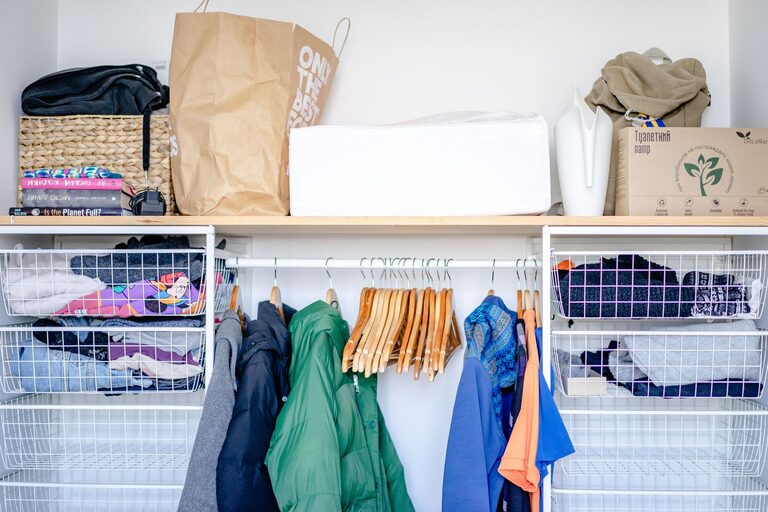

Storing seasonal clothes can be a challenge, especially if you want to keep your living space tidy and make the most of your wardrobe. When the seasons change, swapping out your clothing can quickly become messy and time-consuming if you don’t have a plan. Fortunately, with some simple strategies and smart storage solutions, you can store your seasonal clothes efficiently and keep them in great condition for the next time you need them.
In this post, we’ll explore step-by-step tips on how to prepare, pack, and store your seasonal clothing, along with advice on choosing the best storage products and organizing your space.
Why Storing Seasonal Clothes Efficiently Matters
Before diving into techniques, it’s helpful to understand the benefits of efficient seasonal clothing storage:
– Saves space: Storing out-of-season clothes properly frees up closet and drawer space for current items.
– Protects your clothes: Proper storage prevents damage from dust, moisture, pests, and wrinkles.
– Makes dressing easier: Organized storage means you can quickly find and swap seasonal pieces.
– Keeps your home clutter-free: Neatly stored clothes reduce visual clutter and stress.
Preparing Your Clothes for Storage
Proper preparation is key to ensuring your clothes stay fresh and damage-free. Follow these steps before packing:
1. Clean Everything Thoroughly
Washing or dry cleaning your seasonal clothes removes dirt, oils, and stains that can attract pests or cause fabric to degrade during storage. Even if clothes don’t look dirty, it’s best to clean them before storing.
2. Repair Minor Damage
Check for loose buttons, small tears, or broken zippers and fix them before storage. This helps avoid bigger problems later and ensures clothes are ready to wear when the season returns.
3. Dry Completely
Make sure all clothes are completely dry before packing. Moisture can cause mold, mildew, and unpleasant odors.
4. Sort by Type and Frequency
Group clothes by category (e.g., sweaters, jackets, pants) or by how often you wear them. This makes retrieval easier and keeps your storage organized.
Choosing the Right Storage Solutions
Your storage containers and methods can make a big difference in how well your seasonal clothes are preserved and how easy it is to access them.
1. Use Breathable Containers
Avoid plastic bags that trap moisture, which can lead to mold or mildew. Instead, opt for:
– Fabric storage bins or bags
– Cotton garment bags for hanging clothes
– Woven baskets with lids
These allow air circulation while protecting your clothes from dust and pests.
2. Select Clear or Labeled Containers
Clear containers let you see what’s inside without opening them, saving time. Alternatively, use labels to identify contents on opaque bins.
3. Vacuum-Seal When Appropriate
Vacuum-sealed bags reduce volume and protect clothes from moisture and pests. However, avoid using them for delicate fabrics or items that benefit from air circulation, such as wool.
4. Use Cedar or Lavender
Natural repellents like cedar blocks or lavender sachets help keep moths and insects away. Avoid mothballs: they contain chemicals that can be harmful and leave strong odors.
Storing Clothes: Best Practices
How and where you store your clothes impacts their condition and your convenience.
1. Fold Heavy Items
Sweaters, jeans, and bulky items should be folded to avoid stretching. Stack them neatly in bins or drawers.
2. Hang Lightweight or Delicate Items
Silk blouses, dresses, and suits maintain their shape better on hangers. Use padded or wide hangers to prevent shoulder bumps.
3. Avoid Overpacking
Give your clothes space inside containers to avoid wrinkles and fabric damage. Overpacked bins can crush clothes and make it harder to find items.
4. Store in a Cool, Dry Place
Closets, under-bed storage, or high shelves away from direct sunlight are ideal. Avoid damp basements or attics unless climate-controlled.
5. Rotate Seasonally
At the start and end of each season, rotate your wardrobe so the current season’s clothes are easily accessible. This prevents forgetting about pieces stored away.
Additional Tips for Efficient Seasonal Clothes Storage
– Use shelf dividers or drawer organizers: These keep folded clothes tidy and prevent piles from toppling.
– Hang clothes upside down: Hanging items by the hanger hook upside down can help stop clothes from getting shoulder bumps.
– Keep a seasonal inventory: Maintain a list of stored items to track what you have and plan future purchases.
– Store shoes separately: Keep seasonal shoes clean and stored in shoe boxes or organizers.
– Air out clothes occasionally: If clothes are stored for very long periods, take them out periodically to let them breathe.
Conclusion
Efficiently storing your seasonal clothes doesn’t have to be complicated. By preparing your clothes properly, choosing the right containers, and organizing your space thoughtfully, you’ll save time, protect your garments, and enjoy a clutter-free home. Start with these tips today, and you’ll be ready for any season with a neat and accessible wardrobe.