
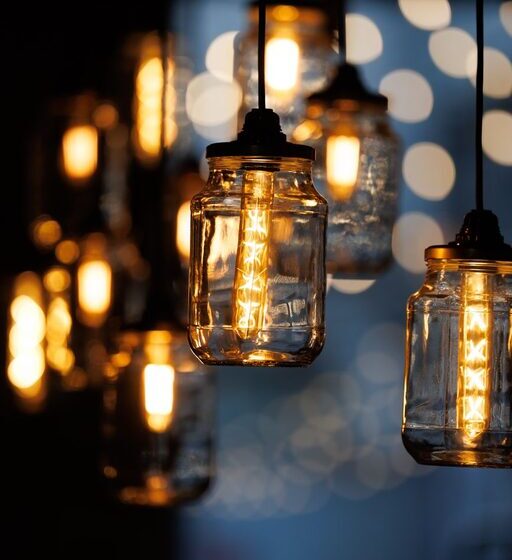

Creating a comfortable and inviting environment in your home involves many elements, and one of the most important yet often overlooked factors is lighting. Proper home lighting not only highlights your interior design but also contributes to your mood, productivity, and overall well-being. Choosing the right lighting can seem overwhelming with so many options on the market, but focusing on comfort and functionality can simplify the process.
In this post, we’ll explore practical tips to help you select comfortable home lighting that suits your needs and complements your living space.
Why Comfortable Lighting Matters
Comfortable lighting means more than just having enough light to see by. It involves:
– Reducing eye strain and headaches caused by harsh or flickering lights.
– Creating an atmosphere that matches the mood or activity in a room.
– Enhancing the aesthetic appeal of your home.
– Saving energy and lowering utility costs.
With these benefits in mind, let’s look at how to choose lighting that works for you.
Understand Different Types of Lighting
Home lighting generally falls into three categories:
1. Ambient Lighting
This is the main source of light for a room. It provides overall illumination and sets the tone. Examples include ceiling fixtures, chandeliers, and recessed lights.
2. Task Lighting
Task lighting focuses on specific areas where you perform activities like reading, cooking, or working. Desk lamps, under-cabinet lights, and pendant lights are common examples.
3. Accent Lighting
Accent lighting highlights particular features, such as artwork, plants, or architectural details. This type adds depth and visual interest through spotlights or wall-mounted fixtures.
When choosing lighting, consider how these layers work together to achieve both comfort and functionality.
Tips for Choosing Comfortable Home Lighting
1. Consider the Room’s Purpose
Different rooms require different lighting approaches:
– Living Rooms: Opt for warm, adjustable lighting to create a cozy atmosphere.
– Kitchens: Bright, cool lighting helps with meal preparation and safety.
– Bedrooms: Soft, dimmable lights promote relaxation.
– Home Offices: Use bright, focused task lighting to enhance productivity.
2. Choose the Right Color Temperature
Lighting color temperature is measured in Kelvins (K) and affects how light looks and feels:
– Warm light (2700K–3000K): Creates a comfortable, inviting ambiance suitable for living rooms and bedrooms.
– Neutral light (3500K–4100K): Works well in kitchens and bathrooms, where clarity is important.
– Cool light (5000K–6500K): Mimics daylight, ideal for workspaces but can feel harsh in living areas.
3. Prioritize Adjustable Lighting
Using dimmers or lamps with adjustable brightness allows you to tailor the light intensity to different times of day and activities. This flexibility increases comfort and helps conserve energy.
4. Avoid Glare and Flicker
Glare can cause discomfort and eye strain, while flickering lights may lead to headaches. Choose bulbs and fixtures with diffusers or shades that soften the light. LED bulbs are a good choice because they typically do not flicker and are energy-efficient.
5. Use Multiple Light Sources
Relying on a single overhead light can create shadows and uneven lighting. Combine ambient, task, and accent lighting to evenly illuminate spaces and reduce eye strain.
6. Pay Attention to Fixture Placement
Strategic placement of lights ensures effective coverage:
– Avoid placing lights directly in front of screens or mirrors to prevent reflections.
– Position task lights close to work areas.
– Use accent lights to draw attention to décor and architectural features.
7. Select Energy-Efficient Options
Comfort is important, but so is sustainability and savings. LED bulbs consume less energy and last longer than traditional incandescent bulbs. Look for products labeled Energy Star certified.
8. Match Lighting Style with Interior Design
Comfortable lighting should also complement your décor. Choose fixtures and shades that align with the style of your home, whether modern, rustic, or classic, to enhance both form and function.
Additional Tips for Specific Areas
Living Room
– Use layered lighting with floor lamps, table lamps, and overhead fixtures.
– Choose bulbs with a warm color temperature (around 2700K) to make the space inviting.
– Include dimmers to adjust brightness for different moods.
Kitchen
– Bright, cool white lighting improves visibility.
– Under-cabinet lights reduce shadows on counters.
– Task lighting near the stove and sink increases safety.
Bedroom
– Soft, warm lighting promotes relaxation.
– Bedside lamps with adjustable brightness allow for reading without disturbing others.
– Consider smart bulbs that can change color temperature based on the time of day.
Bathroom
– Bright, even lighting is essential for grooming tasks.
– Use lights around mirrors to eliminate shadows on your face.
– Select moisture-resistant fixtures to ensure durability.
Final Thoughts
Choosing comfortable home lighting is about balancing aesthetics, functionality, and personal preference. By understanding the types of lighting, selecting the right color temperatures, and layering your lights effectively, you can create a home environment that feels warm, welcoming, and easy on the eyes.
Remember, experimentation is key. Don’t hesitate to try different bulbs and fixtures until you find the perfect combination that fits your lifestyle and design.
Investing in quality lighting will enhance your home’s comfort and charm for years to come. Happy lighting!